What if the lights went out and the card reader stopped working, too?
A string of service disruptions brought an ominous phrase back into circulation. The practical question is what your household could do for the first 72 hours.
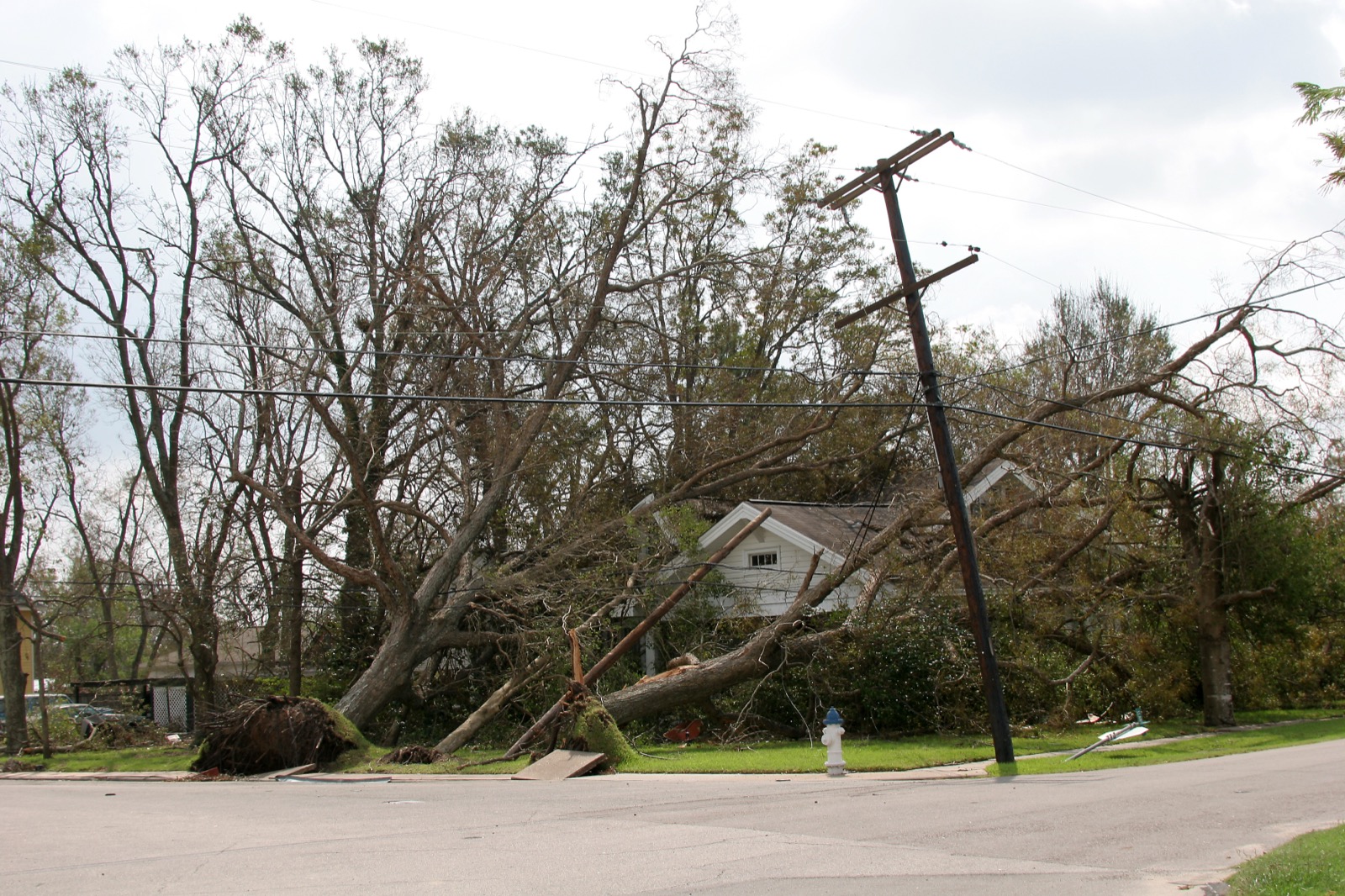
Hurricane Rita knocked down phone and power lines in Port Neches, Texas, in 2005. Archive photo. Bob McMillan / FEMA · U.S. public domain

The first sign of a power cut might be a dark kitchen. The second can be harder to solve: the phone you need for an outage update is running low, and the store around the corner can’t take cards. A long outage matters not just because the lights are off, but because several ordinary fallbacks may stop working at once.
That’s the useful idea behind a “black sky” scenario: a severe, extended disruption that can strain electricity, communications and other services together. It describes what planners might have to deal with, not what caused it. A storm can take out local power and communications. A software failure can interrupt payments without touching the electric grid. A cyberattack is another possible cause of disruption, but the phrase itself is not evidence of one.
Separate outages aren’t proof of one attack
Miami’s Local 10 put the question to a cybersecurity expert on Nov. 17, after separate disruptions that affected services such as banking, email and air travel. David Betancourt told the station he did not think those incidents were related. Watching several services fail close together may feel like seeing one story unfold. To establish a link, investigators would still need evidence that connects the incidents, not just a calendar that shows them happening in the same week.
Nov. 17 also appeared on a real federal notice. The FCC announced in September that FEMA would conduct a nationwide test of the Emergency Alert System that afternoon. The published notice describes a scheduled broadcast test, not an outage warning. It is worth reading an alert back to its issuing agency before treating a screenshot or a caption as evidence of something the notice never said.
Why the advice starts with three days
The three-day advice has a more ordinary explanation. European Commission guidance calls for households to be able to meet essential needs for at least 72 hours in an emergency. Britain’s Be Ready campaign also tells households to plan for emergencies, including power cuts. The point is to give families a way to manage immediate needs while emergency crews focus on people who need help first. It isn’t a forecast of when something will happen or a guarantee that services will return on day four.
What to do before the power goes out
Start by looking at what would actually stop working at your address. Is the garage door your usual way in? Does the house rely on an electric well pump? Would someone need refrigeration for medication, or backup power for medical equipment? Ask your pharmacist or equipment provider for a plan before an outage. Don’t wait for a phone battery to run down before trying to find their number.
Then put the basics where everyone can get to them. A flashlight with working batteries, a charged power bank, paper contact numbers and a little cash in small bills are things you can gather gradually. FEMA’s kit guidance recommends a gallon of water per person per day for several days. Stock shelf-stable food you already eat, a manual opener if you need one, and supplies for children and pets.
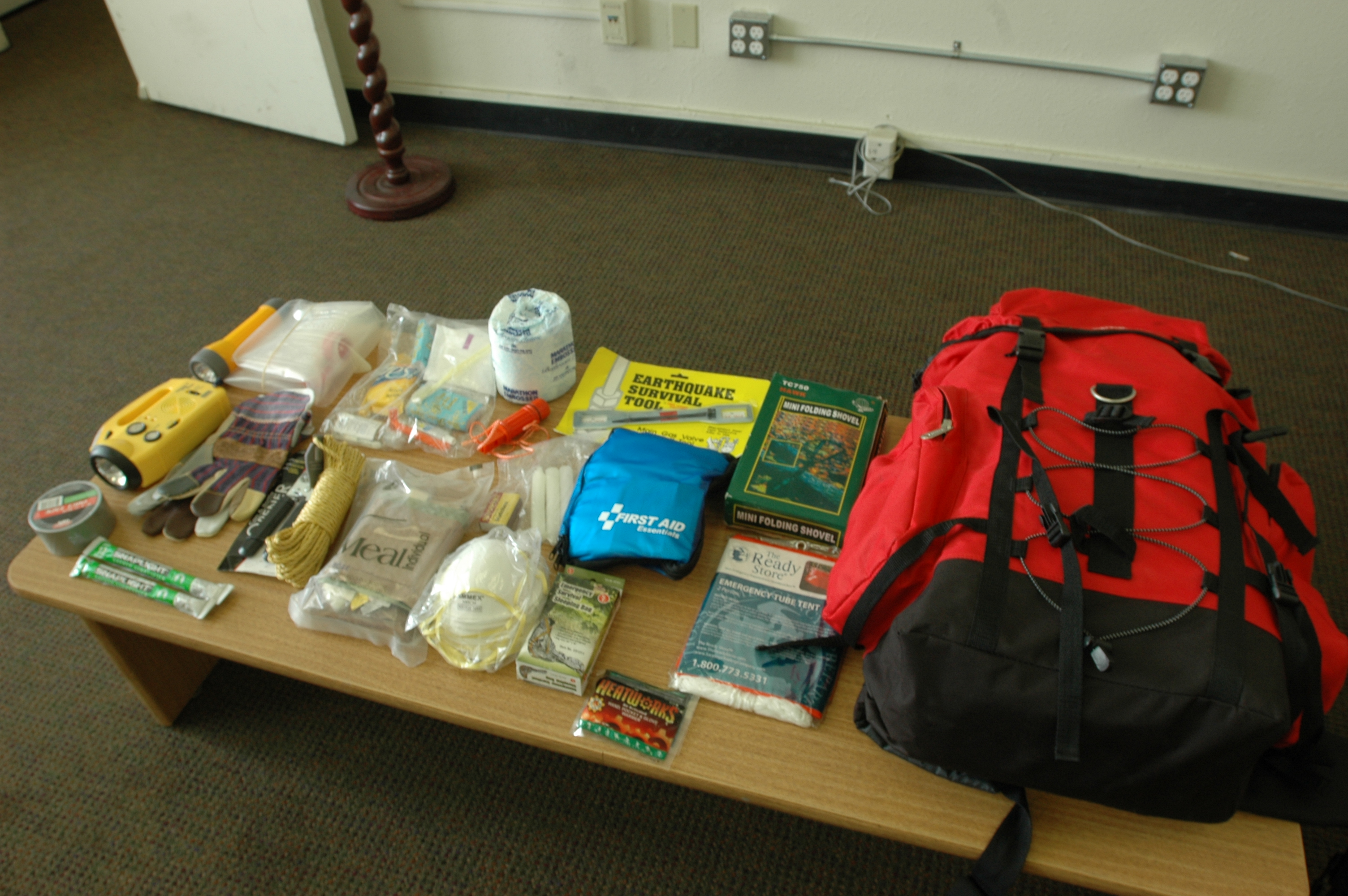
An example household emergency kit; archive photo. U.S. Marine Corps / Wikimedia Commons · U.S. public domain

Plan for the appliance that’s already full. Federal food safety guidance says a closed refrigerator keeps food cold for about four hours; a full freezer can hold its temperature for about 48 hours, compared with about 24 hours if it is half full. Keep the doors shut and use the federal discard chart rather than tasting questionable food. If you use a portable generator, FEMA says to run it outdoors at least 20 feet from the home, with exhaust directed away from doors and windows. Never run one in a garage.
Write down one meeting place and one person everyone can check in with. In Bucks County, save the county’s Ready Bucks notification page and keep your electric utility’s outage number on paper. If phones or the internet stop working, a battery-powered radio can give you another way to hear local instructions.
If you can only make one change tonight, make sure everyone knows where the flashlight is and how you’ll reach each other if you can’t call. That’s useful in any blackout, whether it lasts an hour or forces a change of plans for the whole weekend.
Sources & reporting notes
- Firsthand interview
Local 10: ‘Black Sky’ preparedness reportingNov. 17 reporting and the independent expert’s assessment.
- Federal notice
FCC: notice of the Nov. 17, 2026 Emergency Alert System testPublic test announcement, not a power-outage alert.
- Official guidance
European Commission: 72-hour household preparedness guidelinesMinimum self-sufficiency guidance for emergency planning.
- Official guidance
UK Be Ready: how to prepare for emergenciesHousehold planning and essentials.
- Federal guidance
FEMA: emergency kit guidanceHousehold water and other essentials.
- Federal safety guidance
FEMA: prepare for a power outagePower, medical-device planning and generator safety.
- Federal safety guidance
FoodSafety.gov: what to keep or discard after an outageRefrigerator and freezer timing and food-specific guidance.
- County guidance
Bucks County: sign up for emergency notificationsLocal Ready Bucks registration.