If the power went out tonight, what would you reach for first?
A working flashlight, water and a way to reach someone can matter more on night one than an expensive kit you never get around to buying.
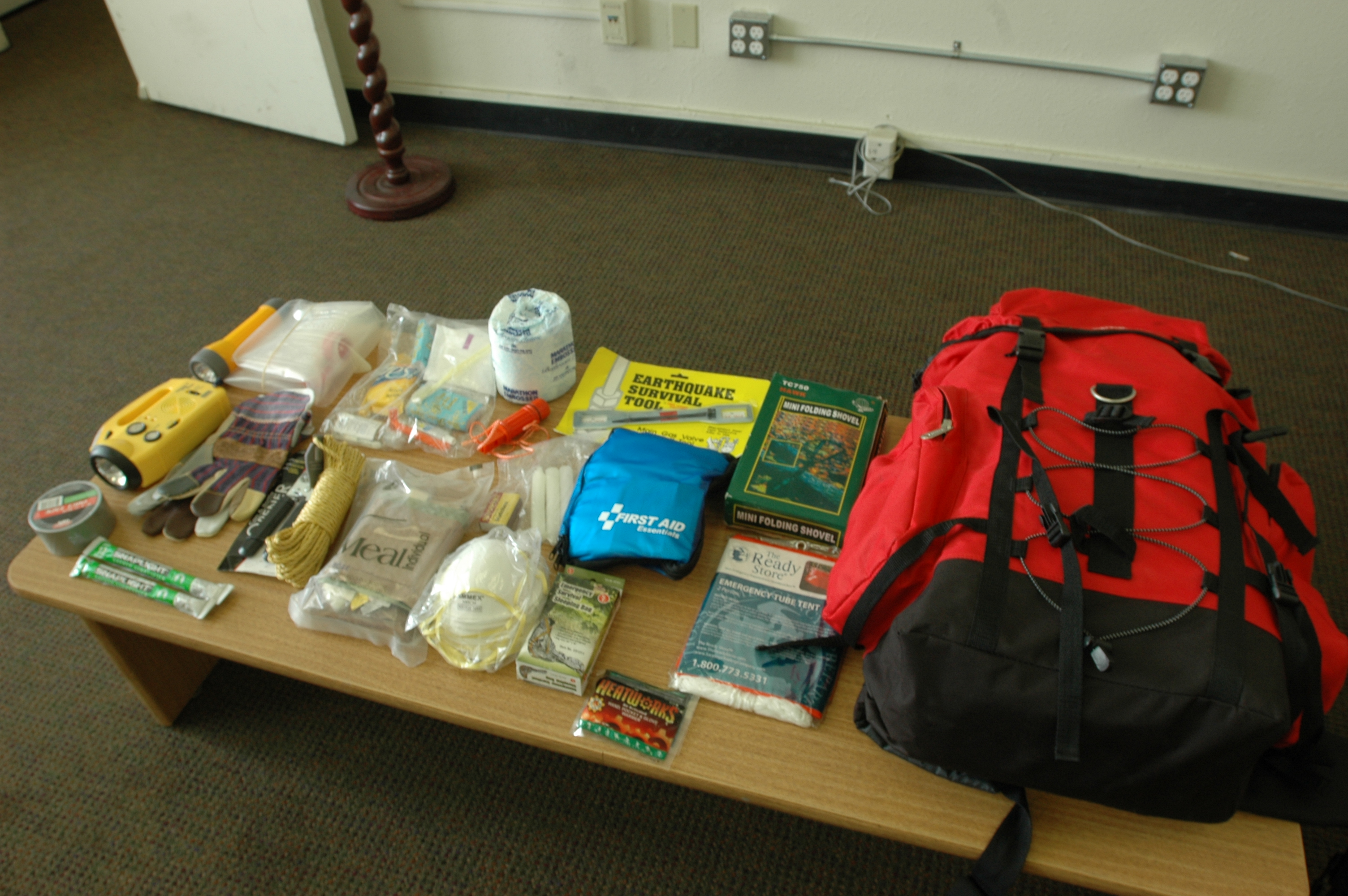
An example household emergency kit; archive photo. U.S. Marine Corps / Wikimedia Commons · U.S. public domain

Imagine the lights going out after dinner. Someone picks up a phone for light, another opens the refrigerator to see whether it is still on, and the flashlight everyone remembers buying turns out to be out of batteries. Most of the decisions that make that evening easier can be made before anyone checks the weather.
Cost is one reason those decisions get put off. In a September survey published by United Way Worldwide, 45% of respondents called cost their biggest obstacle to getting ready for a disaster. Only 16% said they had both made and tested a household emergency plan. Those are survey responses, not measurements of what's in every American home. They point to a useful place to start: some of the best preparation doesn't need to be purchased.
In the federal government's 2025 electricity reliability data, Pennsylvania customers of utilities reporting under the IEEE standard averaged 413 minutes without power across the year, including major events. In New Jersey, the comparable figure was about 155 minutes. That's the accumulated time across outages over a year, not the length of one outage or an estimate for your block.
Before you shop, walk through the first night
Pick a spot where everyone can find a flashlight without finding a phone first. Check that the light works and set spare batteries nearby. If you already own a portable charger, charge it and put its cord where you'll find it. Write down a few key phone numbers and decide which relative or friend outside your immediate area could relay news if household members are in different places.
Next, choose two ways to find out what is happening. Your utility can tell you about its restoration work. The county can tell you if the issue extends beyond electricity or if there's a local safety instruction. In Bucks County, the county's Ready Bucks system lets residents select how to receive notices. If you live elsewhere, look up your own county or municipality's emergency alert program. A battery-powered radio can be one way to hear updates without depending on a phone screen.
Consider who else needs to be included. A household with a pet may need food, a carrier or a leash. A household with someone who relies on powered medical equipment should make a backup plan with their provider and equipment supplier before an outage. A power bank intended for a phone is not a substitute for a plan for medical equipment.
Use what you already buy
Look at what's in the pantry right now. Could you make a meal without the stove or microwave? Keep a few foods you already eat that don't depend on refrigeration or heating. If you choose cans that need a tool to open, put a manual opener next to them. Set aside safe drinking water for people and pets. If money is tight, add shelf-stable food gradually when you make your normal grocery trips, and rotate it into meals before it goes unused.
Flashlights are a safer choice than relying on candles, and keeping the refrigerator and freezer shut helps keep food cold. The FDA estimates an unopened refrigerator will stay cold for about four hours. A closed full freezer can hold its temperature for about 48 hours, or 24 hours if it's half full. Those are estimates, not a guarantee; use the FDA food-safety guidance to check what to keep or discard. If you have a portable generator, never run it inside a home or garage. Follow official instructions on safe outdoor placement away from doors, windows and vents. Carbon monoxide is not something you can see or smell. Start with lighting and communication instead if you don't have a safe way to run a generator.
Give your plan a ten-minute test
Try it when everything is still working. Ask someone else in the household to find a flashlight and show you where the charger is. Find the right utility outage page before you need it. Check whether a neighbor might need a call, without promising assistance you cannot safely provide. If someone is away when the lights go out, agree on how and when to check in.
Check where you keep your first-aid supplies, too. A dedicated kit isn't essential to get started: the useful part is putting familiar supplies in one reachable place so you aren't searching through three drawers by flashlight.
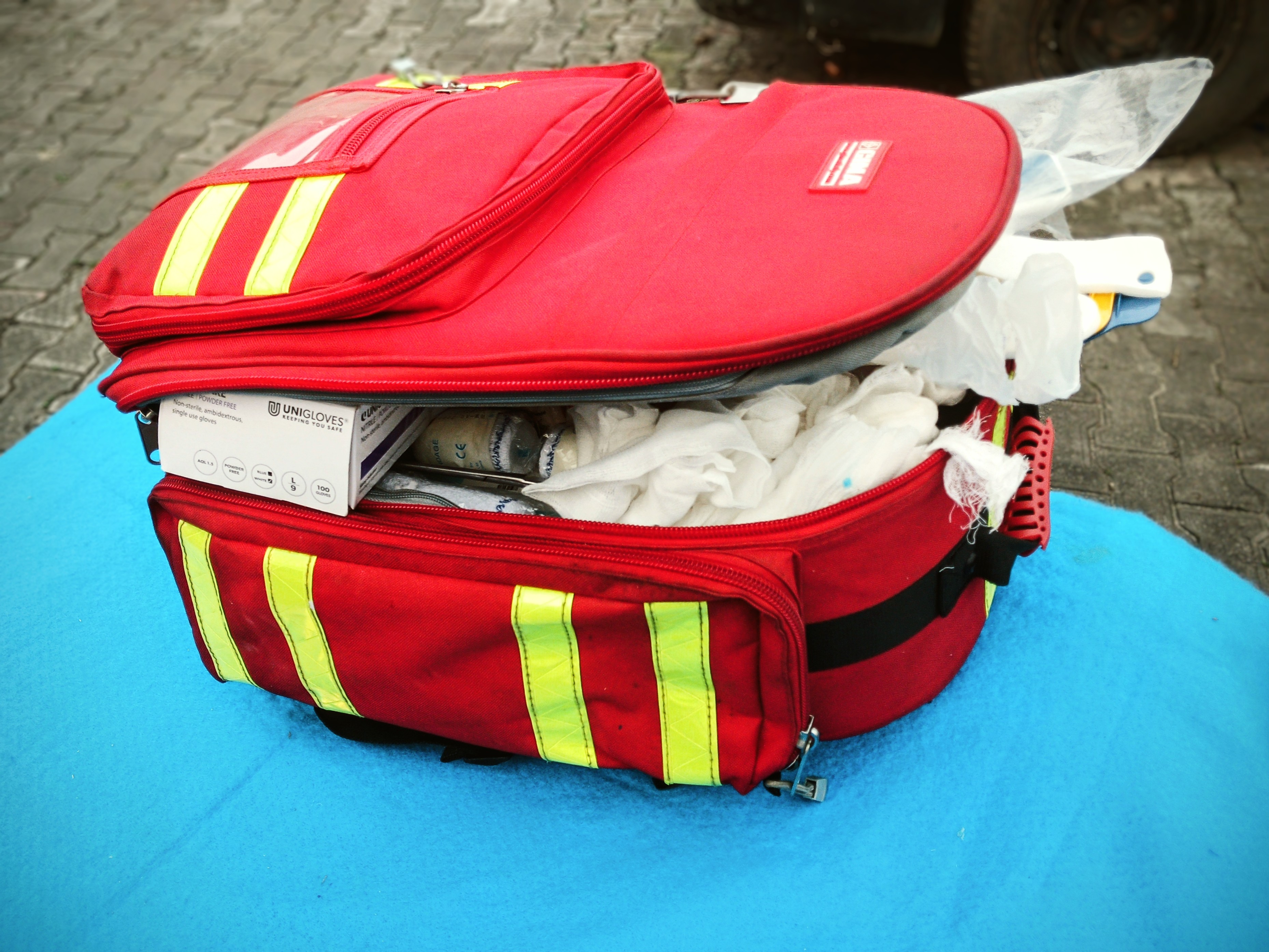
Basic first-aid supplies can be kept together so they are easy to find. ABORISADEADETONA / Wikimedia Commons · CC0 1.0

Write on a sheet of paper what you missed. Replace the dead batteries before buying another gadget. Save your alert page and put the phone numbers where a child or visitor can find them. The goal isn't to buy a box of equipment in one sitting. It's to make the first few decisions so simple that nobody has to make them in the dark.
Sources & reporting notes
- State emergency guidance
Ready PA: what to do during a power outagePower and generator safety, food and household supply basics.
- County guidance
Bucks County: emergency notificationsOfficial Ready Bucks alerts and sign-up instructions.
- Federal safety guidance
FDA: power outage food safetyHow long closed refrigerators and freezers can keep food cold.
- Federal data
U.S. Energy Information Administration: electricity reliability by state2025 annual duration for IEEE-reporting utilities, including major events.
- Survey publisher
United Way Worldwide national preparedness findingsSeptember 2026 self-reported concerns and planning behaviors.