The FBI warned about water systems. What actually happened?
A July alert documented real disruptions. New testimony in Washington put that warning back in the news, but officials drew a line between the water incidents and this month’s tech outages.
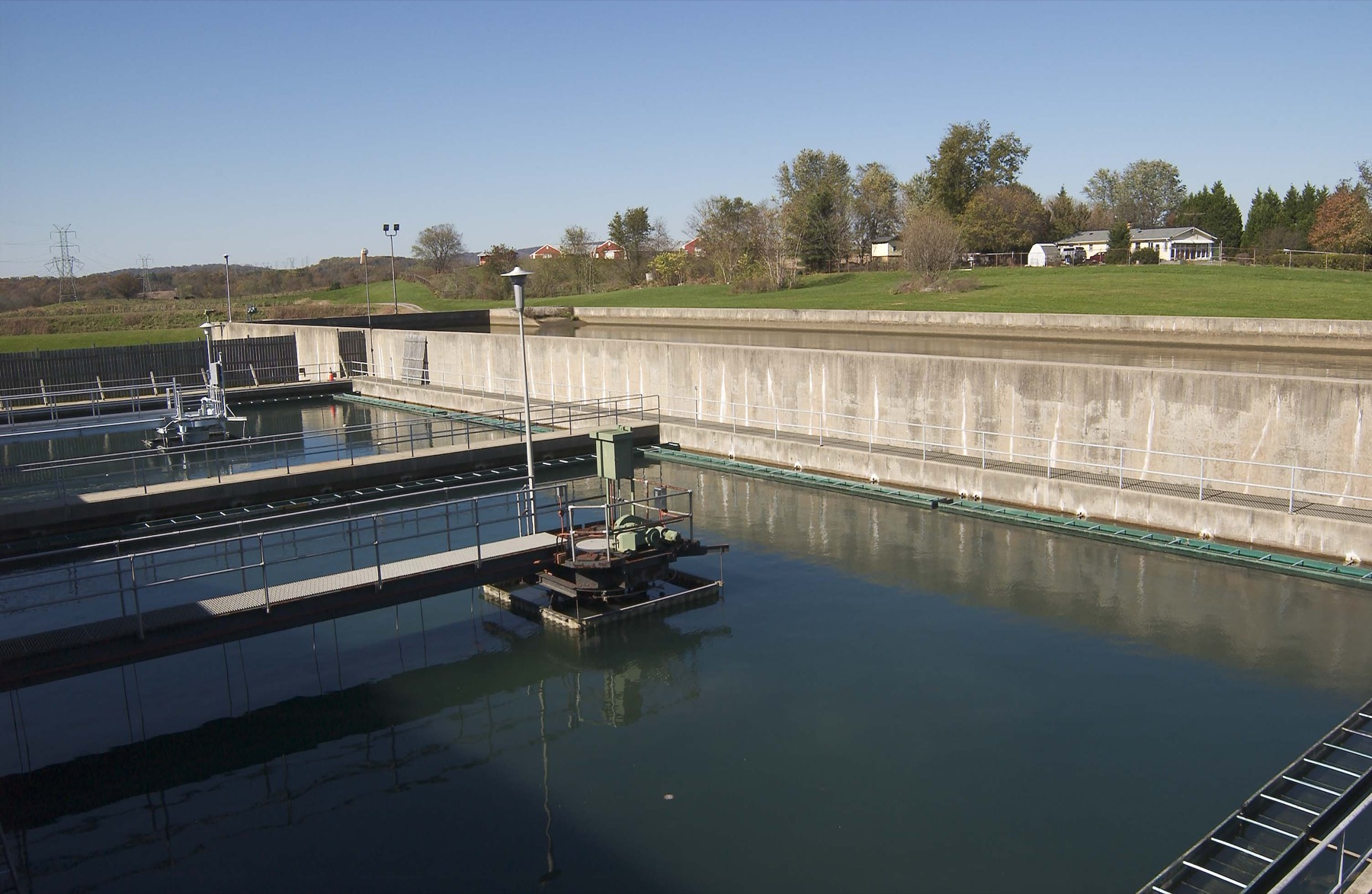
Archival EPA photograph of drinking-water treatment. It does not show an affected utility. U.S. EPA / Wikimedia Commons · Public domain (U.S. federal work)

The FBI and Environmental Protection Agency issued a warning on July 30 after water and wastewater utilities in at least seven states reported cyber incidents. The agencies said some operations were disrupted. On Wednesday, Nov. 18, Homeland Security Secretary Markwayne Mullin told Congress that water was among several U.S. sectors increasingly targeted by Iranian government-linked actors and pro-Iran cybercriminals this year. That testimony was not a new nationwide water emergency, and the FBI did not connect this month’s widely reported tech outages to those attacks.
What happened to the water systems
The FBI’s July alert was about equipment that helps utility operators run physical processes, not just office email or billing records. A disruption to the systems an operator relies on can force extra checks or changes in how a utility works. The FBI said utilities had reported incidents since July 27 and described operational effects in some cases. Its alert did not say that drinking water across seven states was contaminated, or that all those utilities lost service.
One of the clearest public accounts came from Minnesota’s state technology agency. In its July 30 update, the state said malicious activity targeted technology at more than 30 community water systems. State officials were helping local operators contain incidents and restore normal operations. At that update, the state said no communities were asking residents to change how they used drinking water. That was Minnesota’s report at that point in July, not a safety notice for every utility now.
There’s an important difference between a system being targeted, malicious activity being found inside a utility, and an actual change to the water a customer receives. Those are different findings. A national count of reported incidents can tell readers something about the scale of an investigation without telling them what happened at their own tap.
What Washington said this week
In written testimony to the House Homeland Security Committee, Mullin put water alongside transportation, health care, energy and finance as targets of Iranian-linked activity since February. He did not use the hearing to announce a new set of affected water utilities. Nor does his testimony identify the perpetrator of each incident in the FBI’s July advisory. The two statements describe different scopes: a specific summer warning and a broader assessment of threats to U.S. infrastructure.
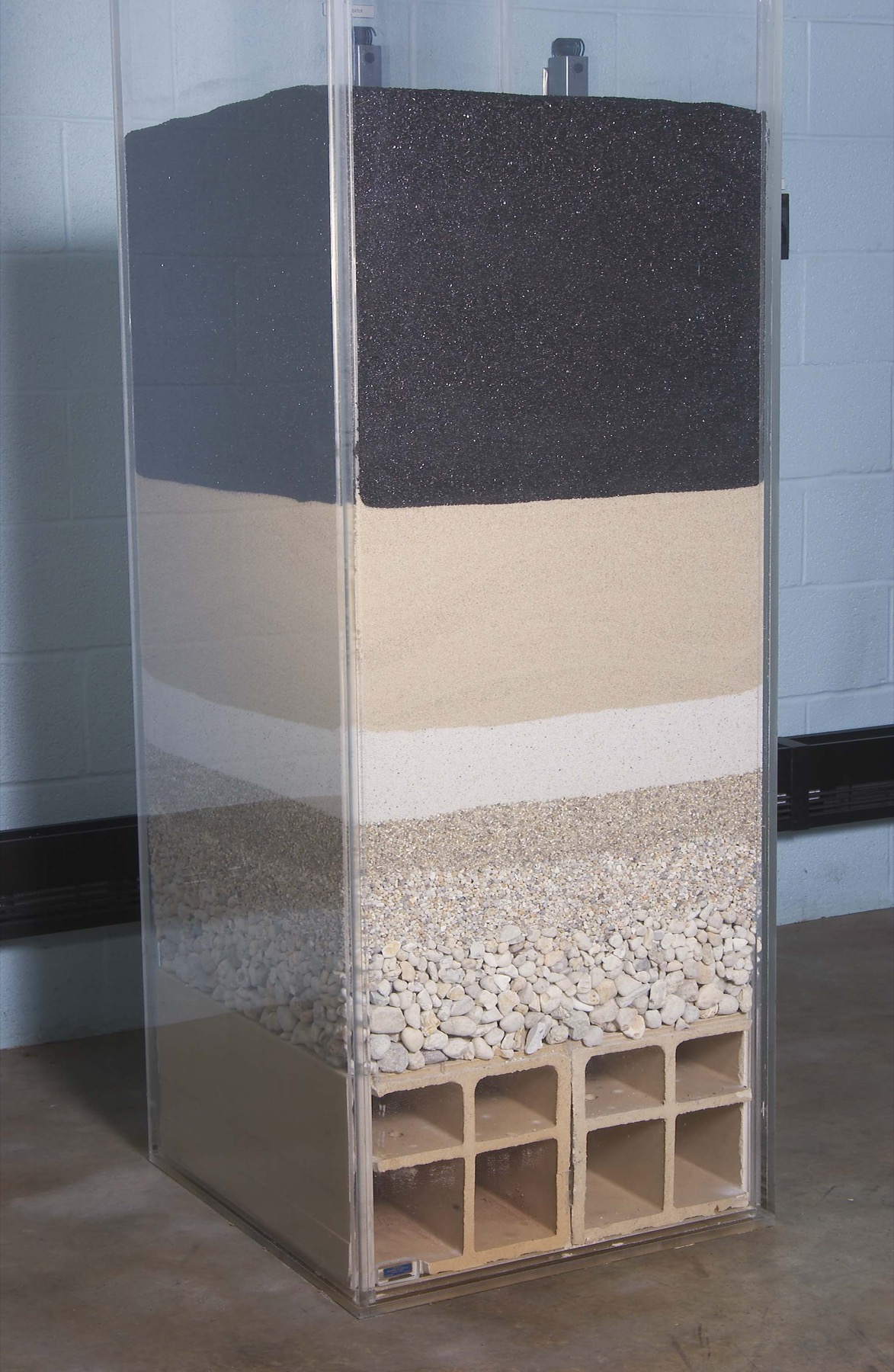
Filter layers shown for context. This archival EPA photo is not evidence of contamination or a cyber incident. U.S. EPA / Wikimedia Commons · Public domain (U.S. federal work)

The discussion also turned to the recent outages that disrupted travel, communications and other services. FBI Deputy Director Christopher Raia told lawmakers investigators had no indication of malicious cyber activity behind those particular incidents, CBS News reported from the hearing. The White House summary likewise said officials had not found a coordinated attack behind that group of outages. That distinction matters: documented utility incidents from the summer don’t establish a common cause for unrelated disruptions in November.
What to check if you’re worried about your water
For a current problem, look for a notice from your own water utility or local health department, not an old national alert shared without its date. A utility notice should tell you which customers are affected, what they need to do and when the next update is expected. If you rely on a private well, contact your local health department for advice on what to do about a suspected problem.
The CDC’s guide to drinking-water advisories explains why the exact wording matters. A boil-water advisory is different from a do-not-drink or do-not-use notice. Boiling does not remove harmful chemicals. Follow the instructions issued for your address rather than picking a precaution based on a headline.
Town Desk will update this story if officials identify a new water-system incident, confirm an effect on customers or issue new public guidance. The July warning establishes that attacks did disrupt some utility operations. It does not tell readers that their local drinking water is unsafe today.
It helps to know where your utility posts emergency notices before you need one. Bookmark that page or check whether the utility offers alerts for your service address. For local water instructions, the utility’s announcement matters more than a repost of a federal cybersecurity alert.
Sources & reporting notes
- Source
FBI’s July alertFederal operational advisory, issued July 30.
- Source
Minnesota’s state technology agencyState’s contemporaneous description of response and reporting.
- Source
written testimony to the House Homeland Security CommitteeNovember 18 written testimony distinguishes sectors targeted.
- Source
CBS News reported from the hearingIndependent reporting of the congressional testimony.
- Source
White House summaryAdministration’s published assessment of recent outages.
- Source
CDC’s guide to drinking-water advisoriesPublic-health guidance on drinking-water notices.