São Paulo wants to move a downtown bus terminal to make room for a park
A R$2.1 billion proposal puts a transit transfer, two viaducts and the future of a downtown green space in the same plan. The city does not expect construction to start until 2028.
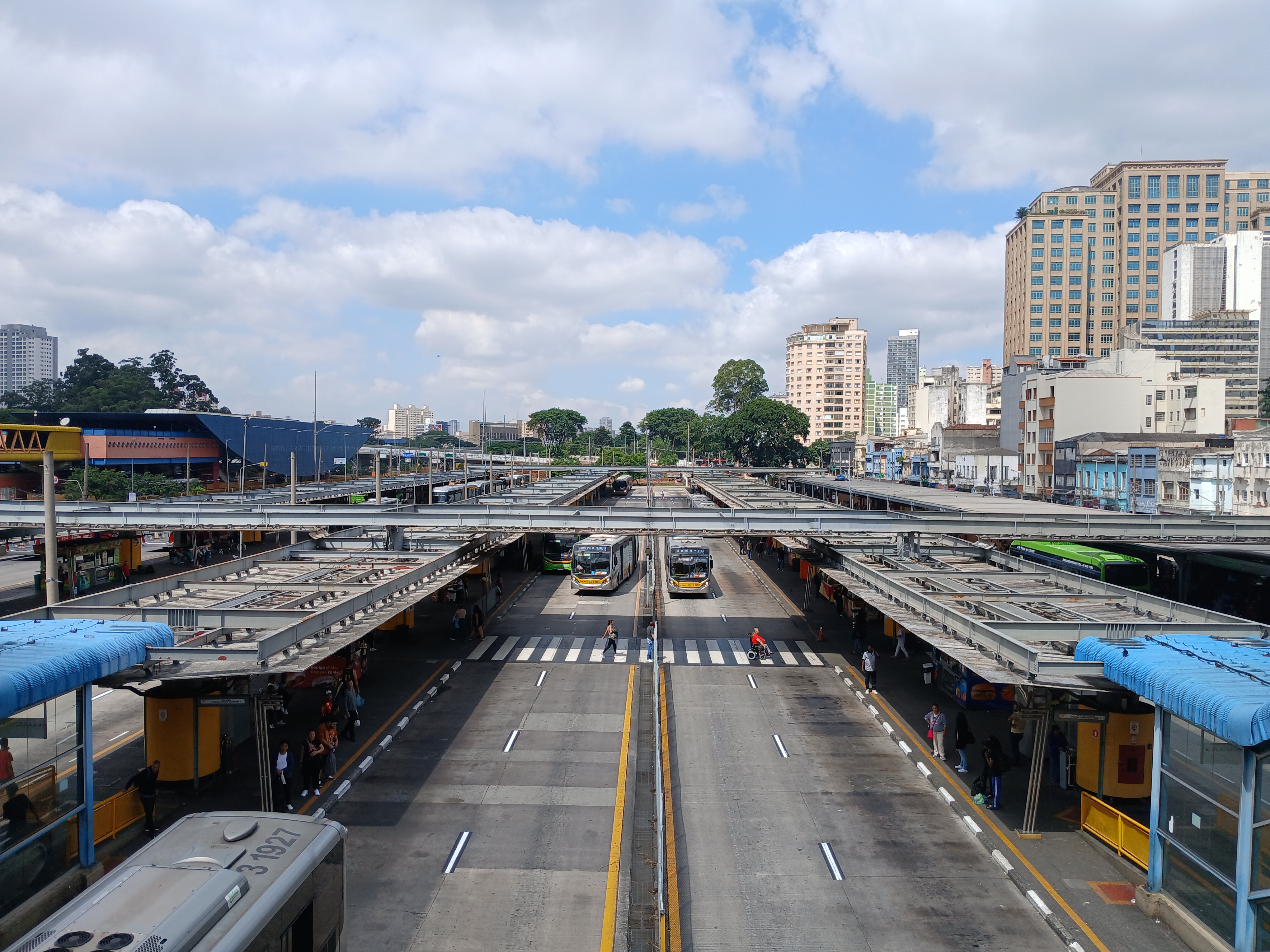
The existing Parque Dom Pedro II bus platforms in 2025. MacGyver Santista / Wikimedia Commons · CC0 1.0

The biggest change São Paulo has in mind for Parque Dom Pedro II is not a new lawn. It is moving the buses. The city wants to replace two terminal facilities with one closer to the metro, then use the space freed up by the changes to redraw the connections between a park, a market and some of the busiest streets downtown.
The city presented the proposal on Nov. 18 and put the overall investment estimate at R$2.1 billion. It says the project would rework about 200,000 square meters of public space. That figure includes more than new green space: streets, connections and transit facilities are also part of the plan. The announcement is about what the city and its private partner intend to build, not an opening date or a change to this week's bus routes.
The transfer is the test
The new terminal would replace the existing Parque Dom Pedro II and Mercado facilities. The city describes a connection to the metro, local buses and the Expresso Tiradentes bus corridor. São Paulo Diário reported that operations would move out of the current terminal inside the park and into the new facility near the metro.
For riders, the important question is what “integration” looks like on foot. Where would a bus drop people off? How far would they have to go to reach the train? Which streets would they have to cross? Being able to name two lines at the same station tells a rider less than knowing whether a transfer involves stairs, a long outdoor walk or a crowded crossing. Those practical details will matter when the plans get more specific. The project announcement does not supply a route-by-route construction plan.
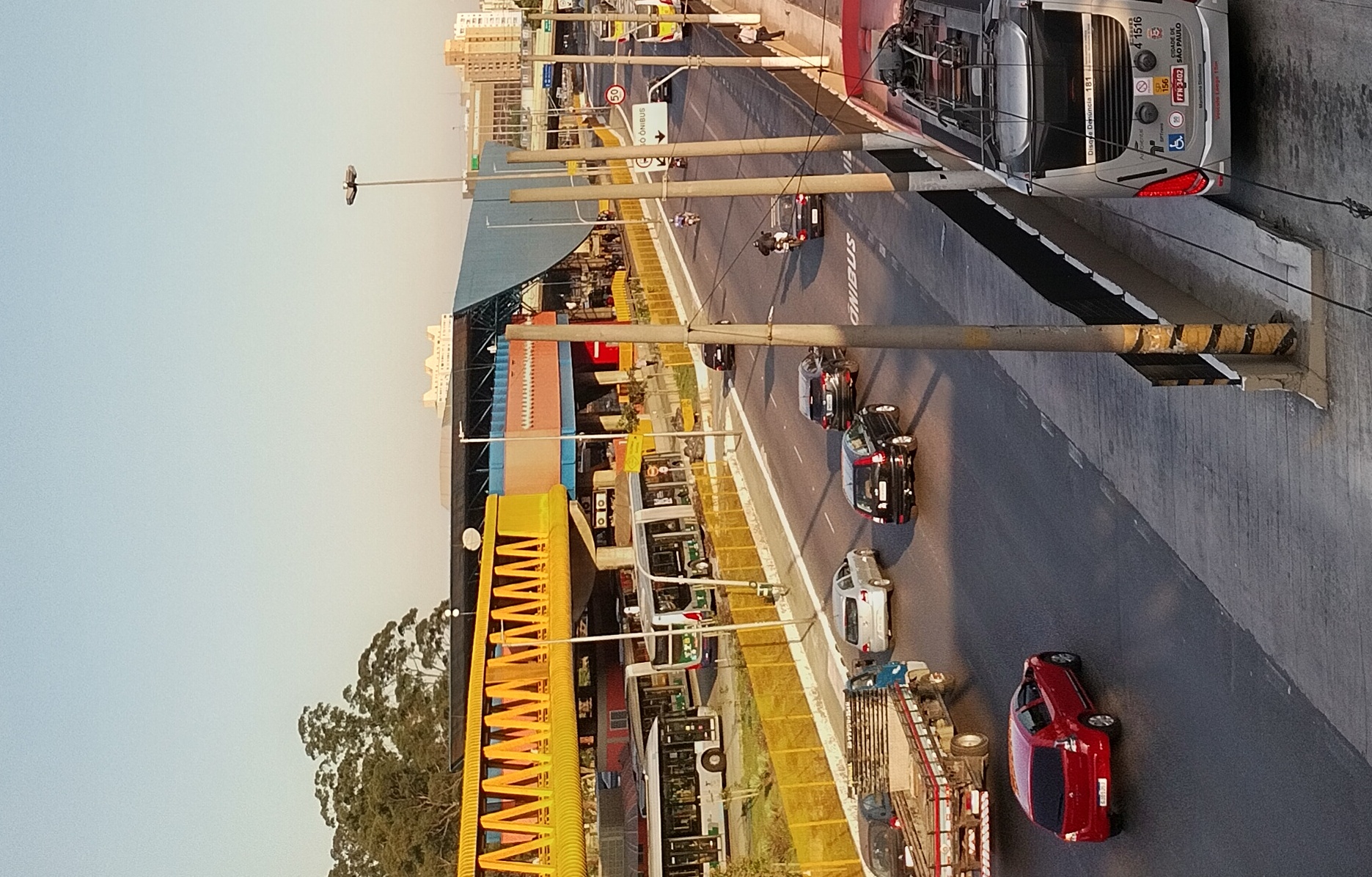
Terminal Mercado seen from Parque Dom Pedro II in 2022. Geogast / Wikimedia Commons · CC BY 4.0

What goes above ground
The plan calls for removing the Antônio Nakashima and 25 de Março viaducts and building a new Ponte do Carmo. It would also add routes for walking and cycling and create more than 100,000 square meters of green space, according to the city. Nearby destinations include the Mercado Municipal and Museu Catavento. The promise for those places is not that they will move, but that getting between them could become simpler.
There is also work most visitors would never see. The city proposes two stormwater reservoirs and changes to drainage, as well as more ground that can absorb water. Those measures are intended to help the area cope with rainfall. They do not establish how the system would perform in a particular storm.
A free park, but a long build
The city says entry to the park would remain free. The private partner would handle tasks such as cleaning, maintenance of trees and free cultural programming, while being allowed to run commercial activities under the contract. That makes park operations part of the story. The people who use the area will eventually be judging both what gets built and how easy it is to spend time there without buying anything.
Under the city's current timetable, there are two years for planning and design, with roughly five years of construction expected to begin in 2028. The next useful milestones are final terminal access drawings, a construction schedule and any temporary bus arrangements. Until there is an actual service notice, the plans should not be read as a change to where anyone catches a bus today.
Another distinction matters here: the 30-year concession is not a 30-year construction schedule. It covers the long-term management arrangement as well as the planned building work. For park users, that means some of the consequential decisions will come after the ribbon cutting, such as which activities use public space, when they run and whether the free programming promised in the announcement is easy to find.
The announcement also proposes a walking and cycling connection between the Brás side and the historic center. That offers a more concrete yardstick than the size of the site alone: when work is complete, can someone leave the terminal, cross the area and get to the market or museum without treating each as a separate trip? The answer depends on the final crossings and street layout, not merely how much land the plan covers.
Sources & reporting notes
- City announcement
São Paulo City Hall: Parque Dom Pedro II projectOriginal Portuguese project scope, park access and estimated schedule.
- Local reporting
São Paulo Diário: downtown transit and park planPortuguese coverage of the launch and planned terminal relocation.